
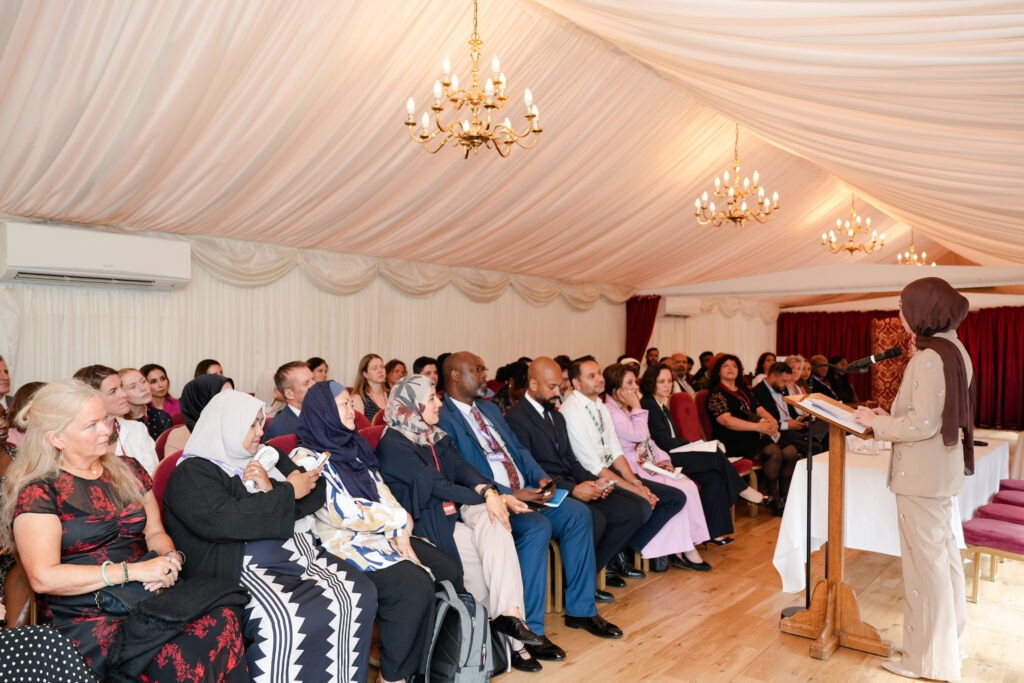
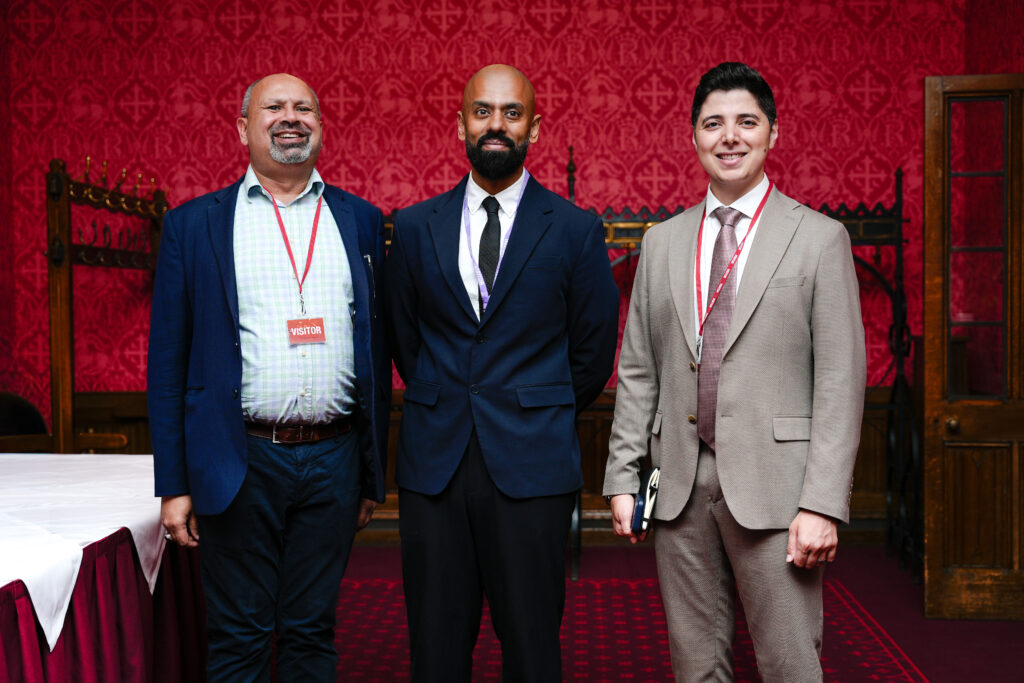
London, 15 July 2026. Every Pregnancy and the World Humanitarian Forum today convened a UK parliamentary dialogue on maternal and newborn health at the Houses of Parliament, hosted by Baroness Mobarik CBE, Member of the House of Lords.
The dialogue brought together parliamentarians, clinicians, researchers, humanitarian leaders, advocates and frontline organisations to connect evidence, policy, investment and frontline experience around shared priorities for maternal and newborn health. The discussion focused on a central question: how can the global community move from knowing what works to ensuring proven solutions reach every woman and newborn who needs them?
Many of the interventions needed to protect mothers and newborns already exist. The challenge is no longer only identifying solutions, but strengthening the systems, partnerships and investments required to deliver them consistently, equitably and at scale.
Nearly 800 women die every day from complications related to pregnancy and childbirth, with many of these deaths preventable through timely access to quality care and proven interventions. Women living in conflict-affected countries face a fivefold greater risk.
Opening the dialogue as host, Baroness Mobarik CBE said:
“No woman should lose her life giving life, and no baby should be denied the chance to survive because of where they are born.”
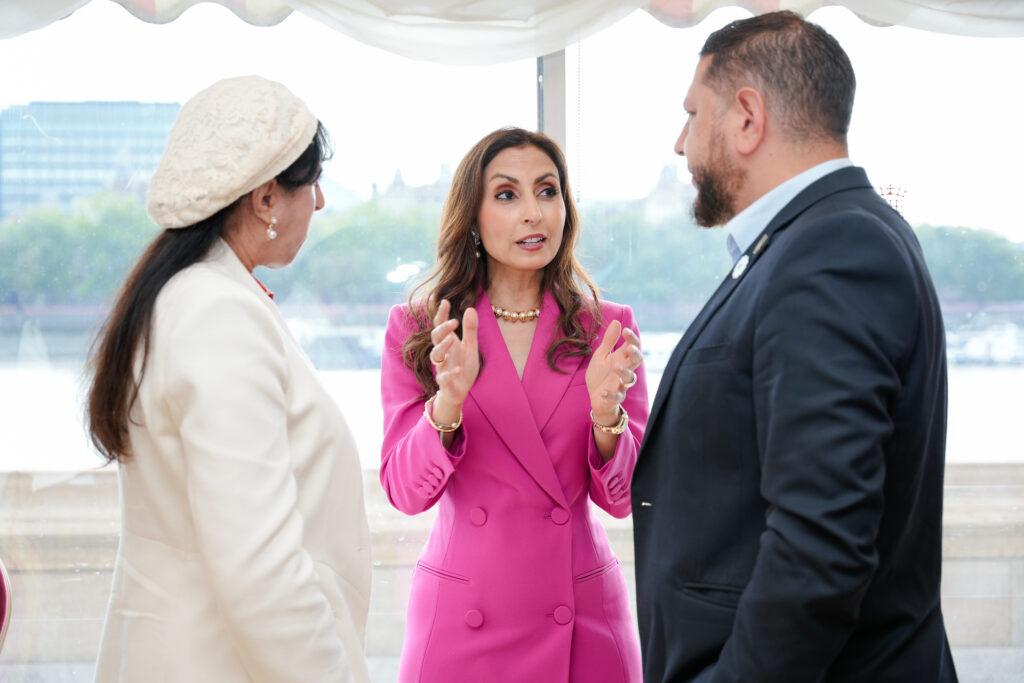
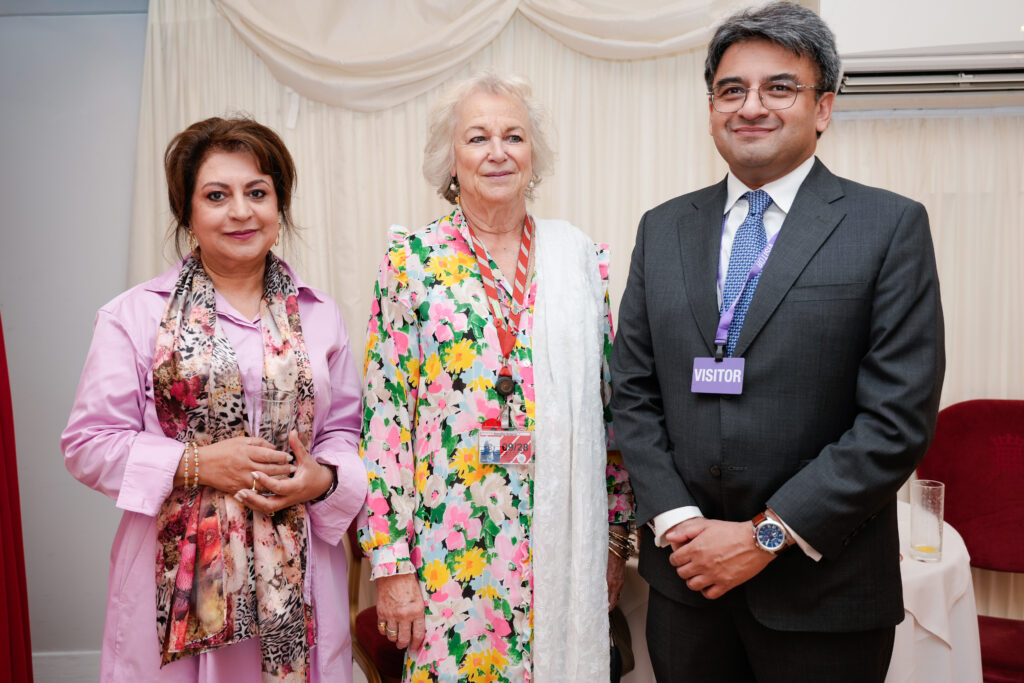
Her call to action set the direction for a panel discussion focused on understanding why proven solutions are not reaching all women and newborns, and what collective action is required to address these barriers. Moderated by Isra Chaker, Founder and CEO of Every Pregnancy, the panel featured Sandra Igwe, Founder and CEO of The Motherhood Group; Tracey MacCormack, Assistant Director for Midwifery at the Nursing and Midwifery Council; Caroline Holt, Director of Disaster, Climate and Crises at IFRC; and Monowara Gani, Chief Executive of Doctors Worldwide.
Across different sectors and contexts, speakers highlighted three interconnected priorities: ensuring women’s voices shape care, strengthening health systems to respond in every setting, and recognising communities and frontline organisations as essential partners.
Sandra Igwe, Founder and CEO of The Motherhood Group, highlighted how many mothers remain unsure where to turn or how to raise concerns about their care. She also warned that racial inequalities, biases and assumptions can contribute to poorer experiences and outcomes for mothers and babies.
“Listening is not just a nice-to-have. It must be embedded as a proactive implementation measure,” she said.
Her remarks underscored a broader principle: improving maternal health requires systems that listen, respond and create meaningful accountability.
Participants noted that these challenges exist across different contexts, including within high-income health systems. In the UK, maternity reviews have highlighted the importance of strong accountability mechanisms, supportive organisational cultures and addressing inequalities to ensure women receive safe and respectful care.
In humanitarian settings, these pressures can become even more complex. Health facilities close, health workers are displaced, referral routes collapse and essential supplies become harder to reach.
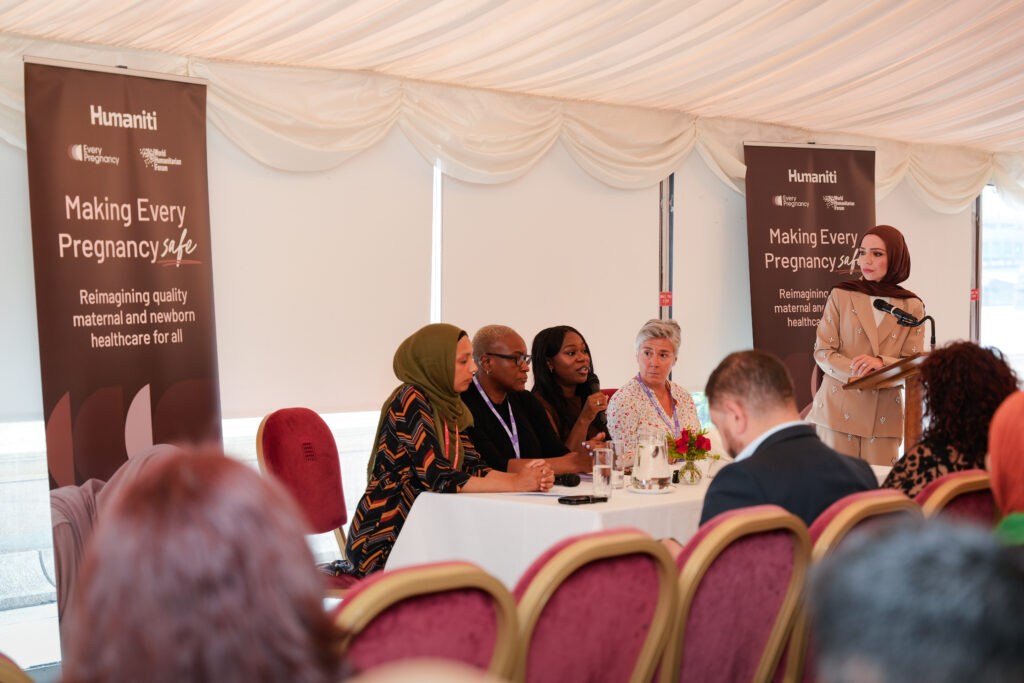
Caroline Holt, Director of Disaster, Climate and Crises at IFRC, emphasised that many of the interventions needed to improve maternal and newborn health are neither especially complex nor prohibitively expensive. The challenge is ensuring they are prioritised, funded and integrated into humanitarian preparedness and response from the outset.
Participants identified several priorities for action: integrating maternal and newborn health into emergency preparedness, strengthening humanitarian financing, improving accountability, and ensuring midwives and frontline professionals have the support needed to deliver quality care.
The discussion also highlighted that strong health systems depend on trusted partnerships beyond formal services. Community-led organisations often understand local languages, cultural concerns, faith contexts and the practical barriers women face. Participants emphasised that women and local actors must be meaningfully included in decisions affecting their care, recognising them as partners in improving health outcomes.
These priorities demand collaboration — turning shared evidence into coordinated action.
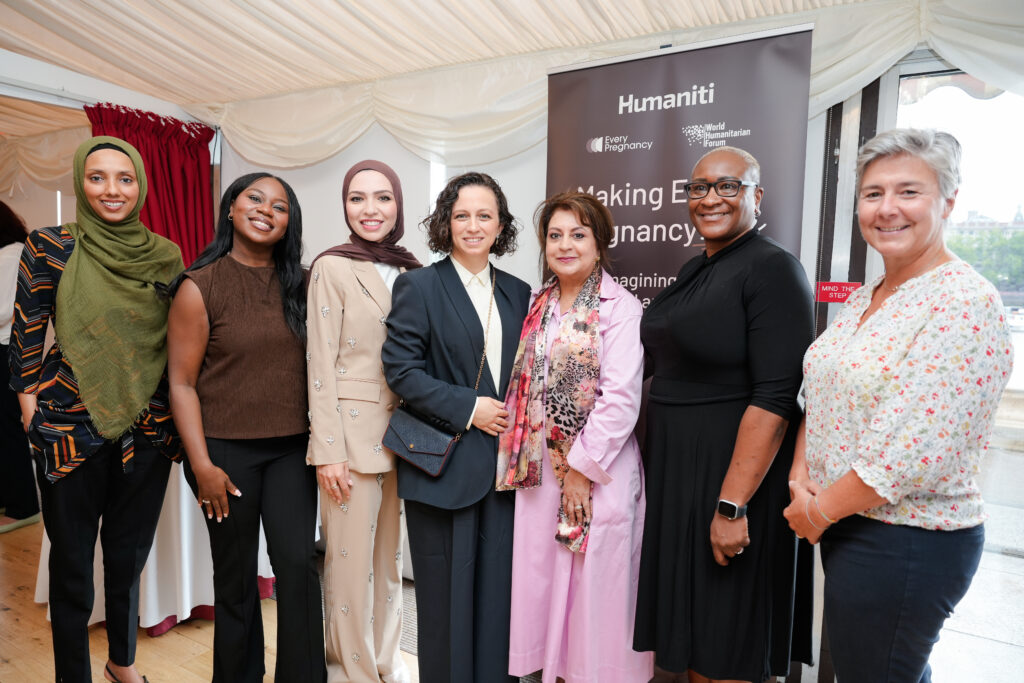
Isra Chaker, Founder and CEO of Every Pregnancy, said:
“Mothers cannot wait while organisations work in silos. Through the Every Pregnancy coalition, we are bringing together evidence, investment and those delivering care on the frontlines so proven solutions can reach every mother and every baby.”
Feraye Özfesçioğlu, CEO of the World Humanitarian Forum, said:
“Some challenges are too important to belong to one organisation. By convening policymakers, humanitarian leaders, clinicians, researchers, funders and frontline organisations around one table, we can begin turning dialogue into partnerships, partnerships into policy, and policy into meaningful action.”
The dialogue marked the beginning of a wider process to translate shared priorities into practical recommendations. The next phase will include a high-level multi-stakeholder roundtable later in 2026 and the development of a jointly endorsed policy statement with recommendations for governments, donors and implementing partners.
The dialogue was made possible through the support of Humaniti.
Every pregnancy should be safe.